A geneticist, a locked laboratory, two puncture marks
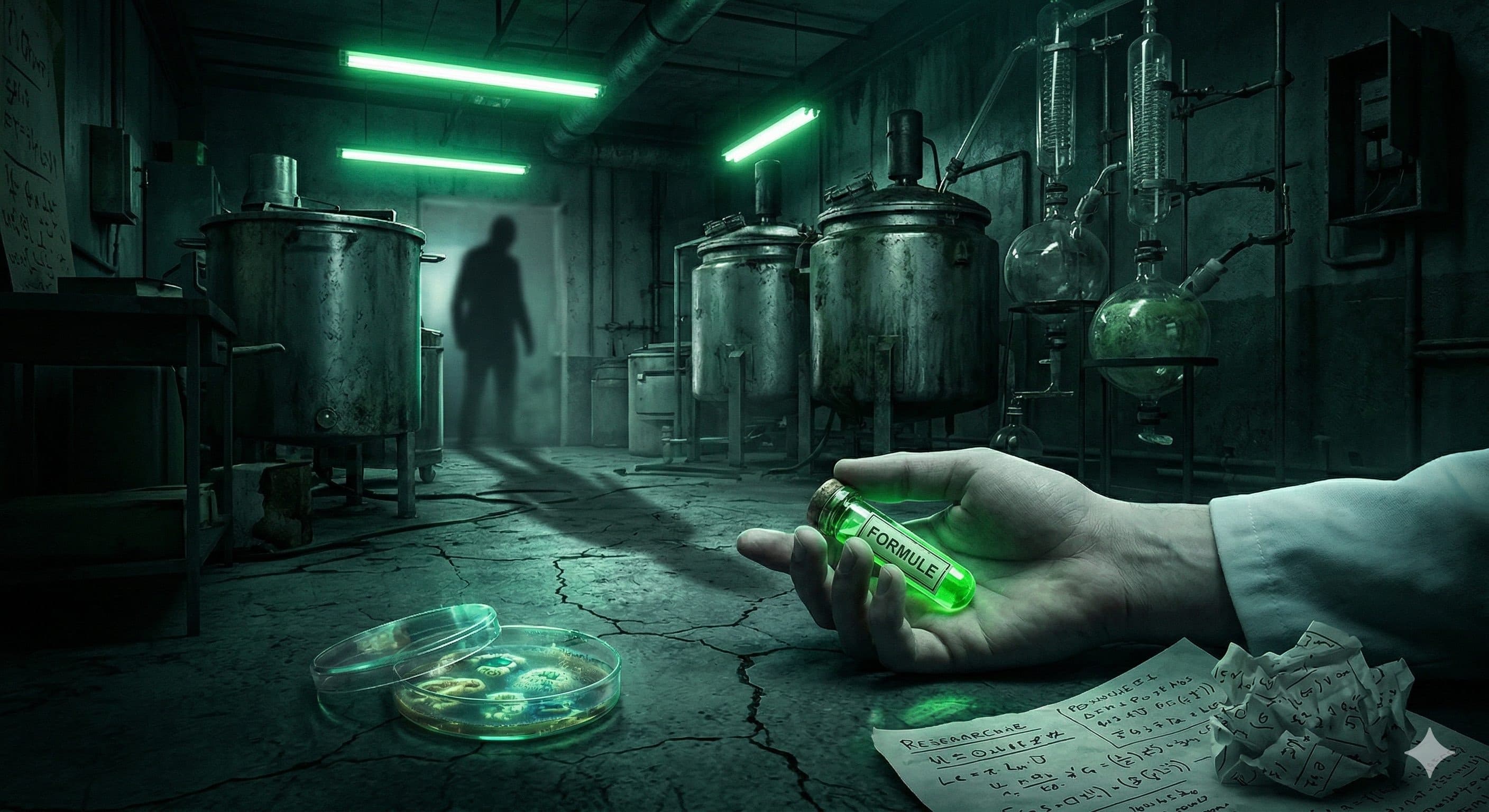
The Cursed Laboratory is set at 14 rue Pasteur in Lyon, in an underground laboratory, on 12 March 2026. Dr Viktor Stein, a geneticist, is found dead. There are two puncture marks on his body and they are not the same age, which is the fact the whole case turns on: one of them was made before the night in question.
Five people of interest, ten exhibits, six puzzles, seventeen pages to print. It plays cooperatively from one to six investigators, with no host and no character to perform, in two to two and a half hours.
A message coded in DNA
The puzzle people remember is the coded message. It uses the four DNA bases, two bits each, with an ASCII card stapled inside the exhibit so nothing outside the file is needed. You are not asked to know genetics: you are asked to notice that a sequence is a message and to do the substitution carefully.
That is the honest test of a science case. Everything required is printed, and the difficulty is in reading closely rather than in prior knowledge. A chemistry teacher and a sixteen-year-old sit down on equal terms.
The other science case: real ciphers from 1943
The Enigma Code is the second one, and its science is mathematics. Bletchley Park, 14 March 1943, Operation Kestrel: ten exhibits, five cipher puzzles that are genuinely solvable, including a substitution table, a line with no mirror and a reading in spiral. Seventeen pages, about two hours, one to seven investigators.
Nothing is pretend-decoded. You write the letters out and the plaintext appears, which is why this one works well with a group that likes puzzles more than roleplay.
What makes a case scientific rather than themed
Three things, and they are worth checking in any product before you buy it. The evidence must carry the reasoning: a laboratory record, a timestamped log, a chain of custody, not a paragraph telling you what an expert concluded. The puzzles must be solvable with what is printed. And the solution must be reachable before the reveal, from the documents alone.
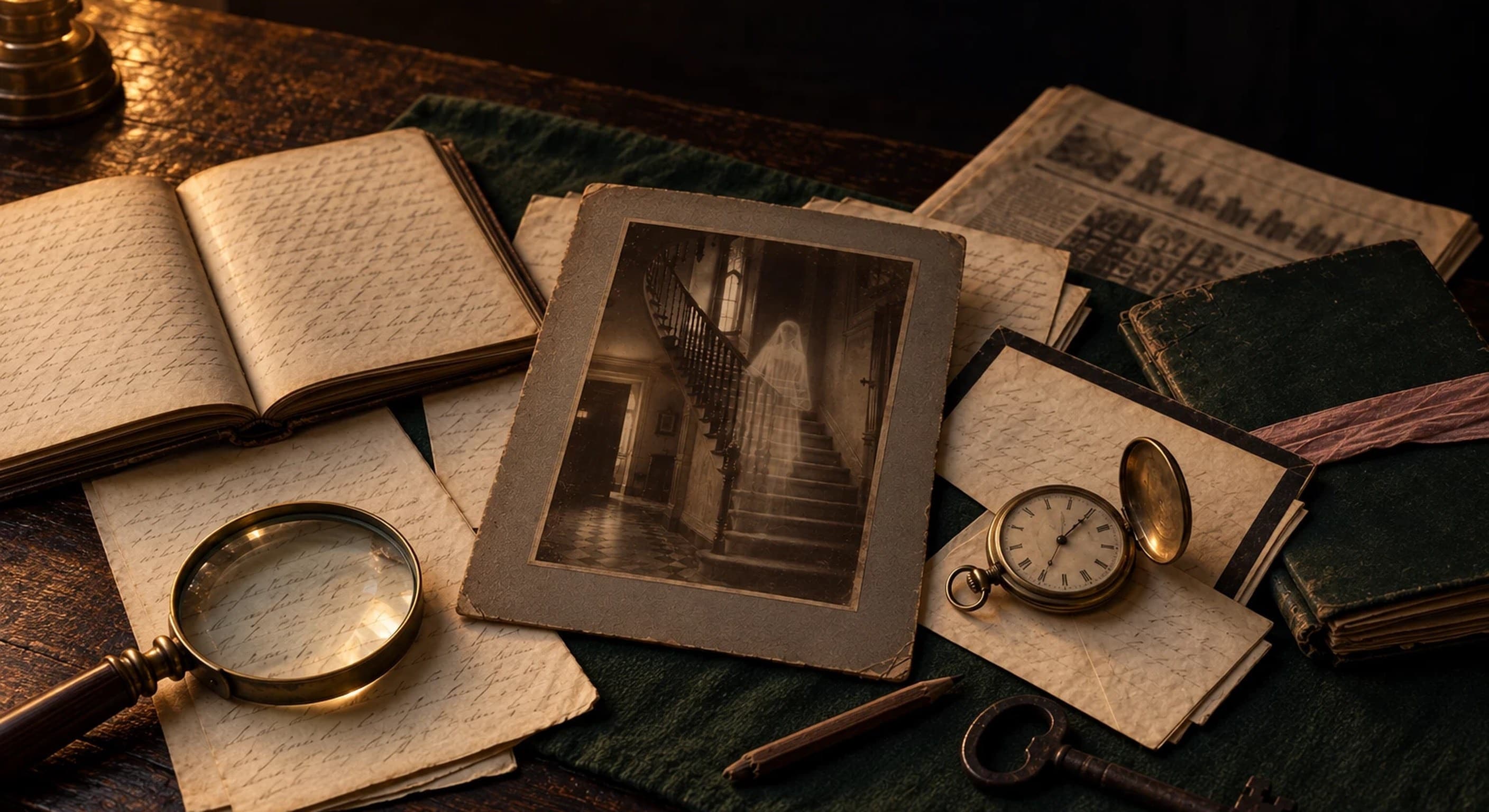
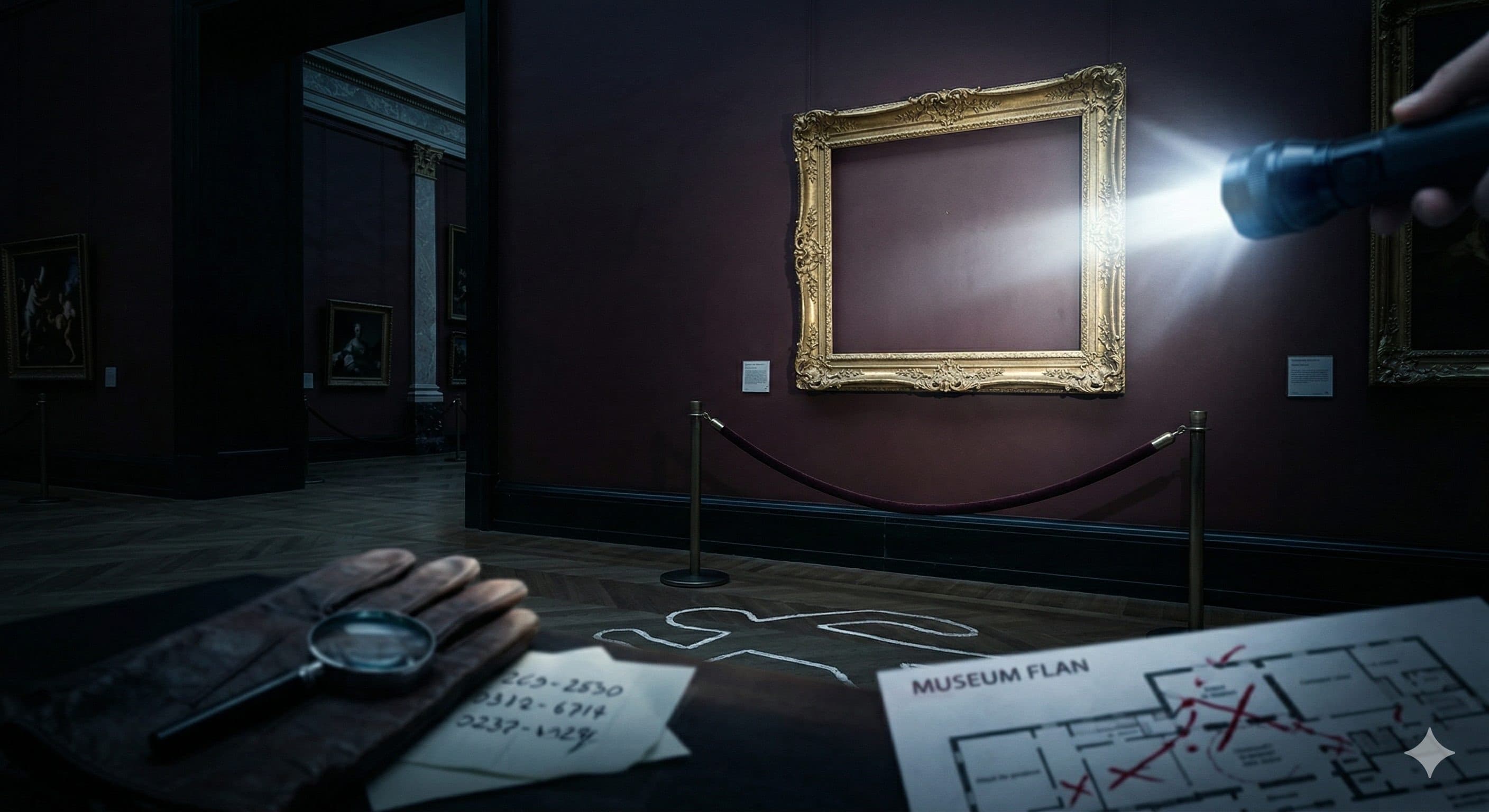
That is why these files are picture dossiers: the exhibits are photographed documents, one per page, that can contradict each other without anyone narrating the contradiction. The full catalogue is on the detective case files page.
Who these two suit
A small group of adults or older teenagers who would rather reason than perform. There is no host, no role, no acting and no elimination: everyone works the same documents, and the working sheets, a sheet of times and a table of people, are made to be written on in pencil.
If you want a science-flavoured evening for a larger table of six to twelve with characters and secrets, the format changes: that is a murder mystery kit, and the four available are gothic, 1920s, a 1935 train and a 1950s film studio rather than laboratory settings.
Frequently asked questions
Do I need any science background to solve it?+
No. Everything needed is printed in the file, including an ASCII card stapled inside the exhibit that carries the coded message. The difficulty is careful reading and substitution, not prior knowledge of genetics or cryptography.
How many people can play a science case file?+
The Cursed Laboratory plays one to six investigators, The Enigma Code one to seven. Both are cooperative: no host, no character to play, everyone works the same exhibits together for two to two and a half hours.
Are the puzzles actually solvable, or just decorative?+
Solvable. The Enigma Code has five real cipher puzzles, including a substitution table and a spiral reading, done with a pencil. The Cursed Laboratory has six puzzles, one of which is a message coded in the four DNA bases.