Sixty minutes against two to three hours
An escape room is short and intense by design, and the clock is the point. That makes it easy to schedule and hard to think in: under time pressure, groups stop explaining their reasoning and start shouting findings.
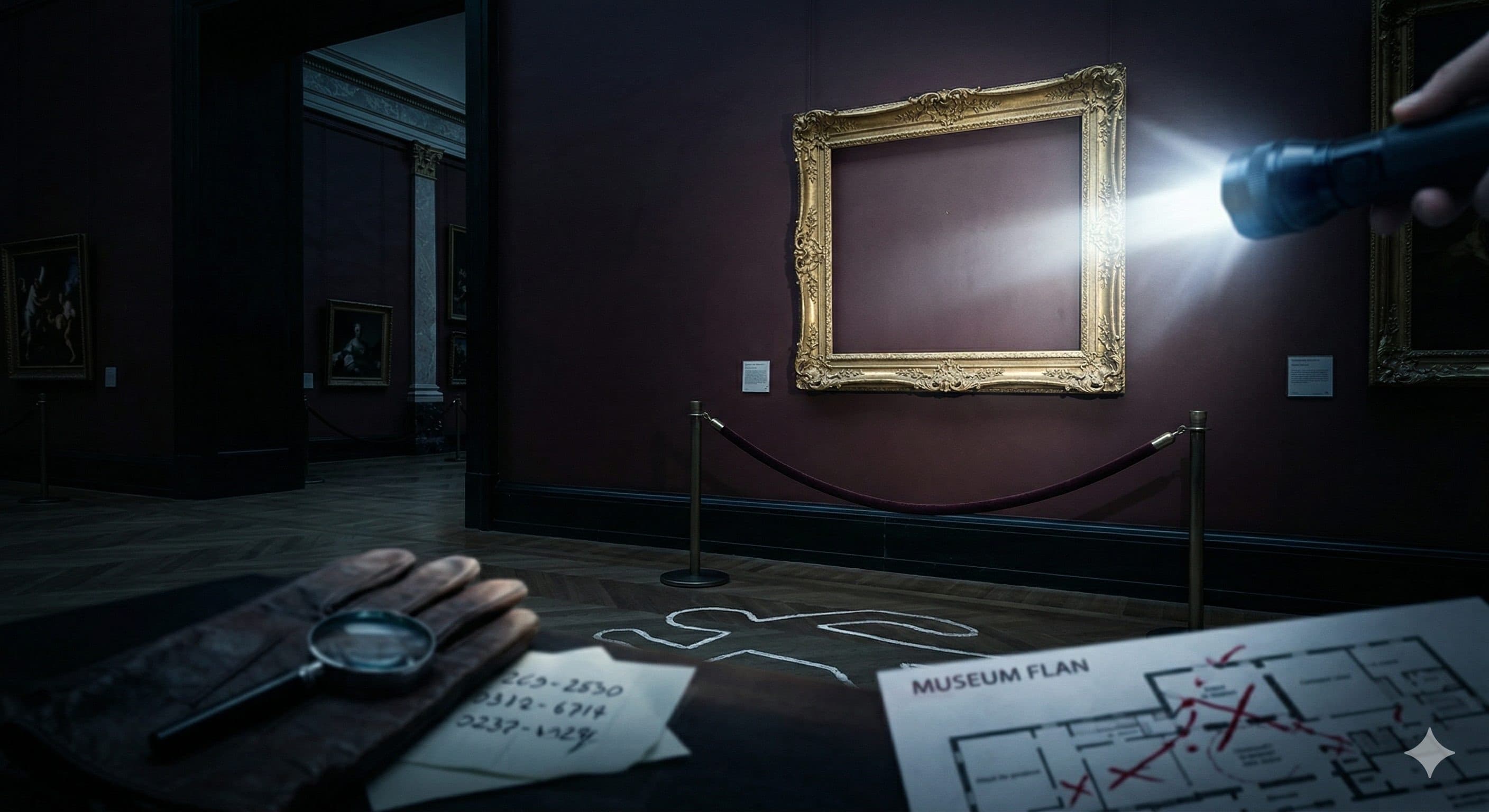
A printed case file runs one and a half to four hours with no clock at all. Nothing is timed, so a table can stop, back up and reconsider. The Heist of the Century is the short end at one and a half to two hours, seventeen exhibits and five puzzles.
Who each format leaves out
This is the honest difference. An escape room rewards speed, physical confidence and volume, which in most teams means the same three people run it and everyone else hands them padlocks.
A document-based case rewards careful reading, and it is visibly easier for a quiet colleague to change the group's mind by holding up a page. Neither is morally superior, but if the point of the afternoon is to see how information moves around your team, only one of them shows you.
Booking per head against one file
An escape room charges per person, per session, and caps the room at six or eight, so a team of twenty-four books several slots and several rooms. A case file is $39 and plays up to seven investigators; for twenty-one people you buy one file and print three sets of exhibits. Run times and exhibit counts are listed on the detective case files page.
That is the practical reason companies switch for larger groups. The cost per head falls as the group grows, and the file stays reusable for another private group afterwards.
Where an escape room wins
Three places, clearly. There is nothing to prepare: you book, you turn up, somebody else runs it. It is over in an hour, which suits a schedule with a dinner after it. And it is physical, which some teams simply enjoy more than sitting at a table reading.
If your group has just come out of four hours of presentations, an escape room is the better medicine. A case file asks for concentration, and concentration is not always what a tired room has left.
The version with roles, which is neither
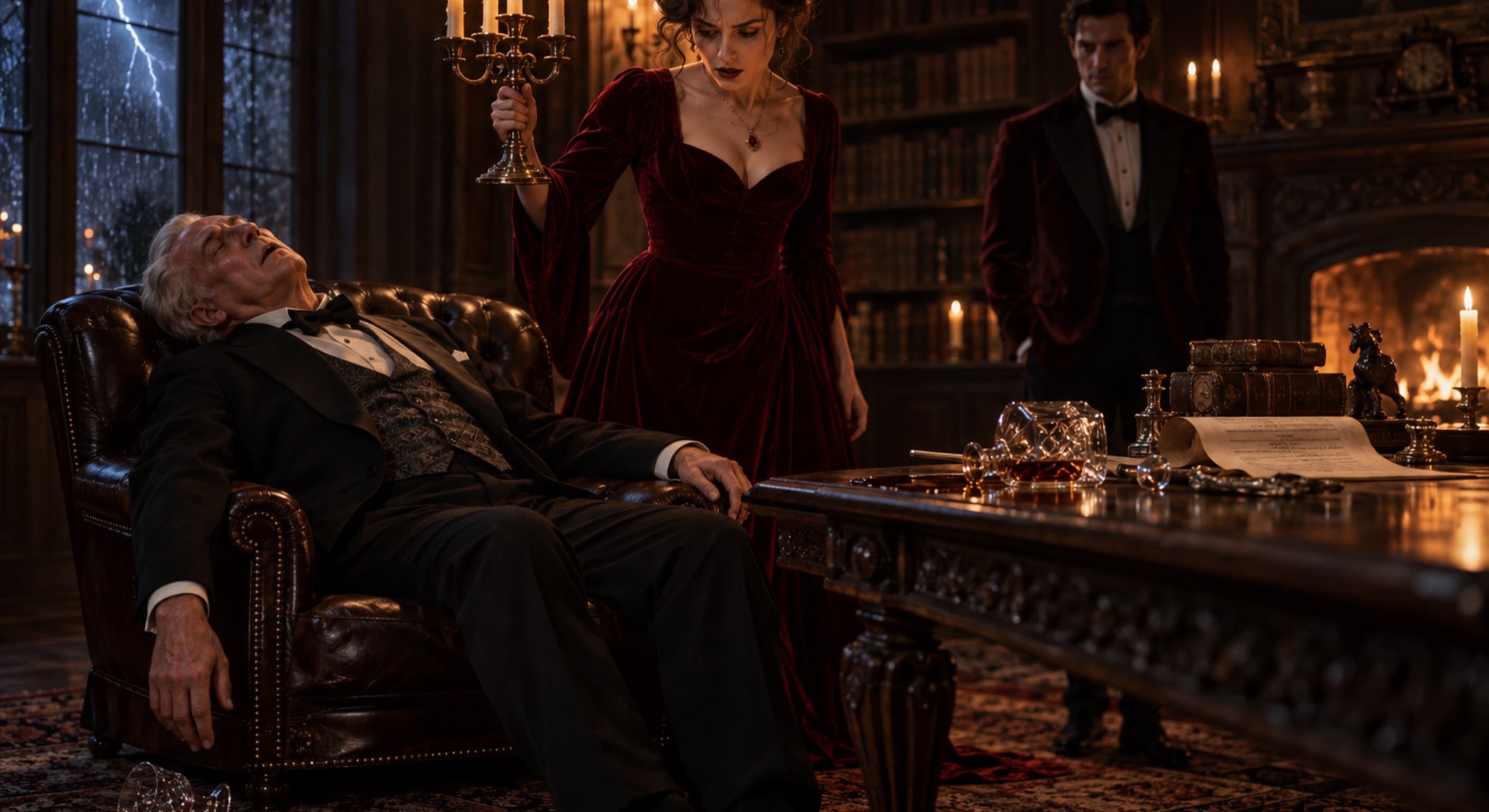
There is a third option people forget: a kit where every colleague plays a suspect with a secret. That is not a team exercise at all, it is an evening, and it is a good one for six to twelve players plus a host, about three hours, $39.90 a file.
Keep it for an offsite dinner rather than a workday afternoon, cast it yourself rather than drawing lots publicly, and make it optional. The four settings are on the murder mystery kits page.
Frequently asked questions
Which is better for a large team?+
The printed case file, on cost and logistics. An escape room caps a room at six or eight and charges per person, so twenty-four people need several slots. One file at $39 covers a table of up to seven, printed once per table.
Which one shows more about how a team works?+
The document-based case. An escape room rewards speed and volume, so the same few people tend to lead. A case file rewards careful reading, which makes it visible when a quiet colleague changes the group's mind.
When is an escape room the better choice?+
When nobody has time to prepare, when you only have an hour, or when the group is tired of sitting down. It is booked and run by someone else, and it is physical rather than a reading exercise.