Three printable genres, defined in one paragraph each
A printable escape room is a set of puzzles you print, hide or lay out, and solve in sequence. Each answer unlocks the next, usually a code that opens an envelope or a lock, and the group races a timer. Nobody plays a character. The opponent is the clock and the puzzle designer.
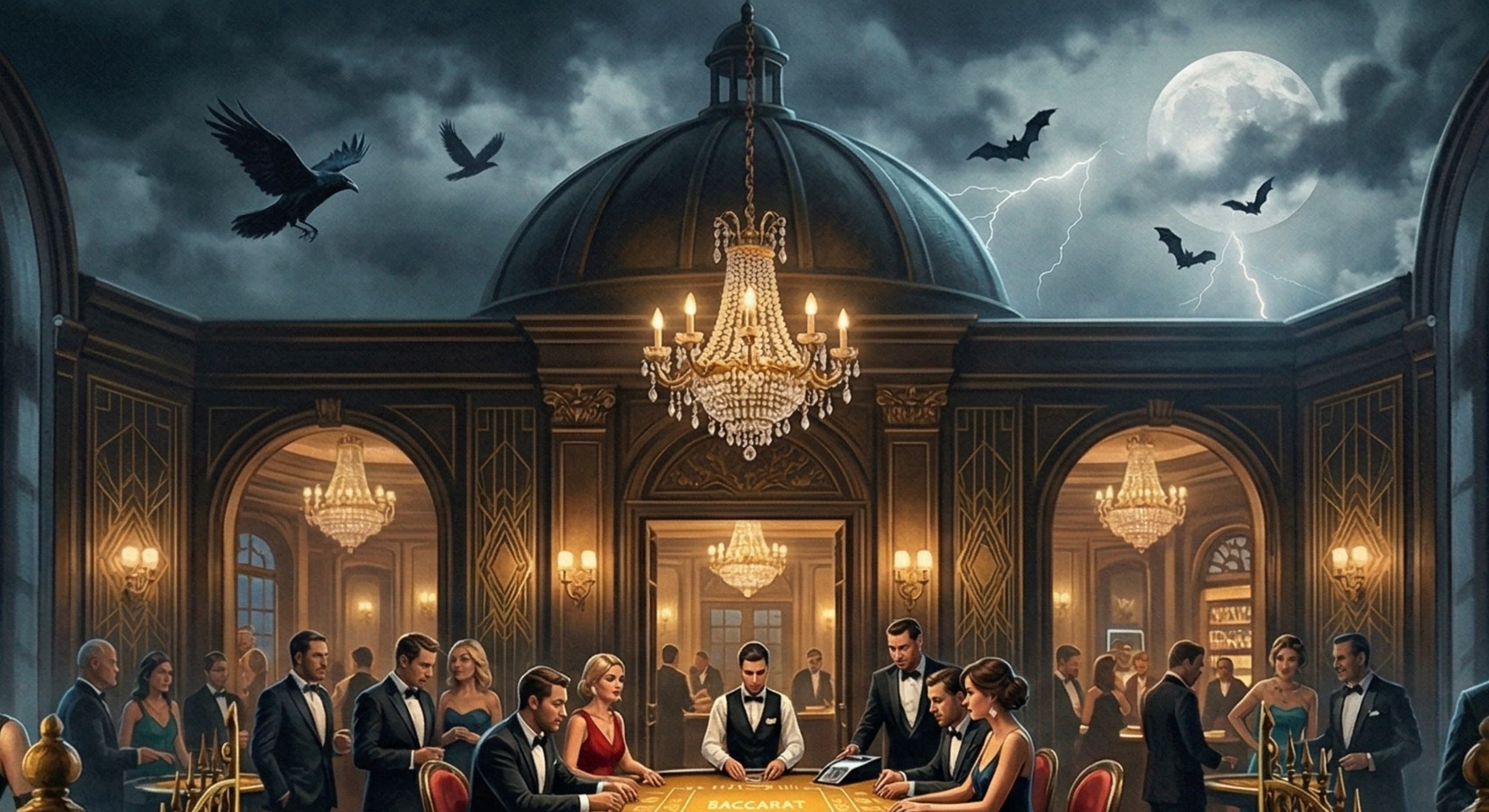
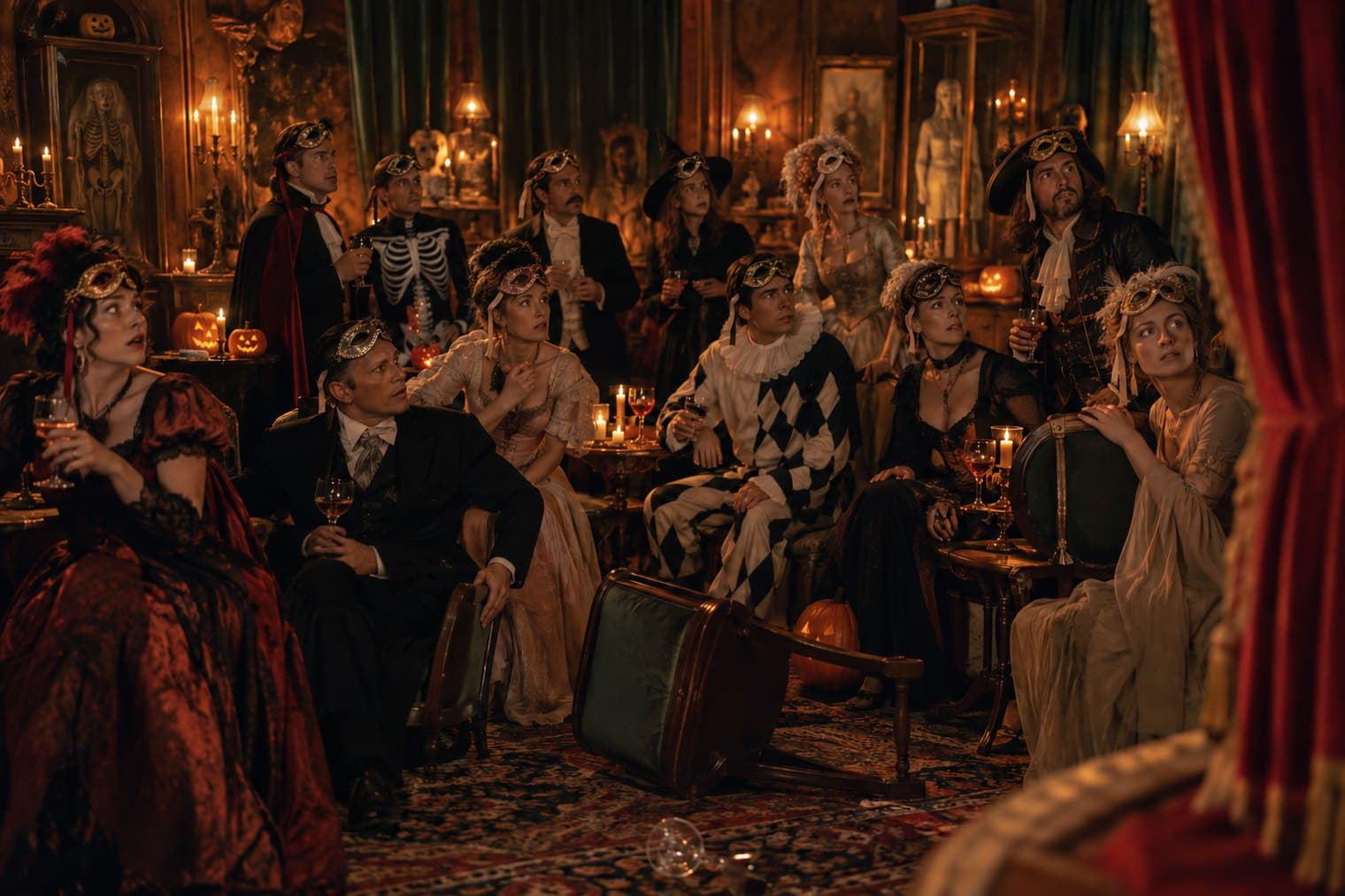
A printable murder mystery party is social deduction. Every guest gets a character sheet with an identity, an objective and secrets. A crime has happened, one guest is responsible and knows it, and over three rounds of clues the table questions itself until a secret ballot names a suspect and the host reads the solution. The opponent is the other people in the room.
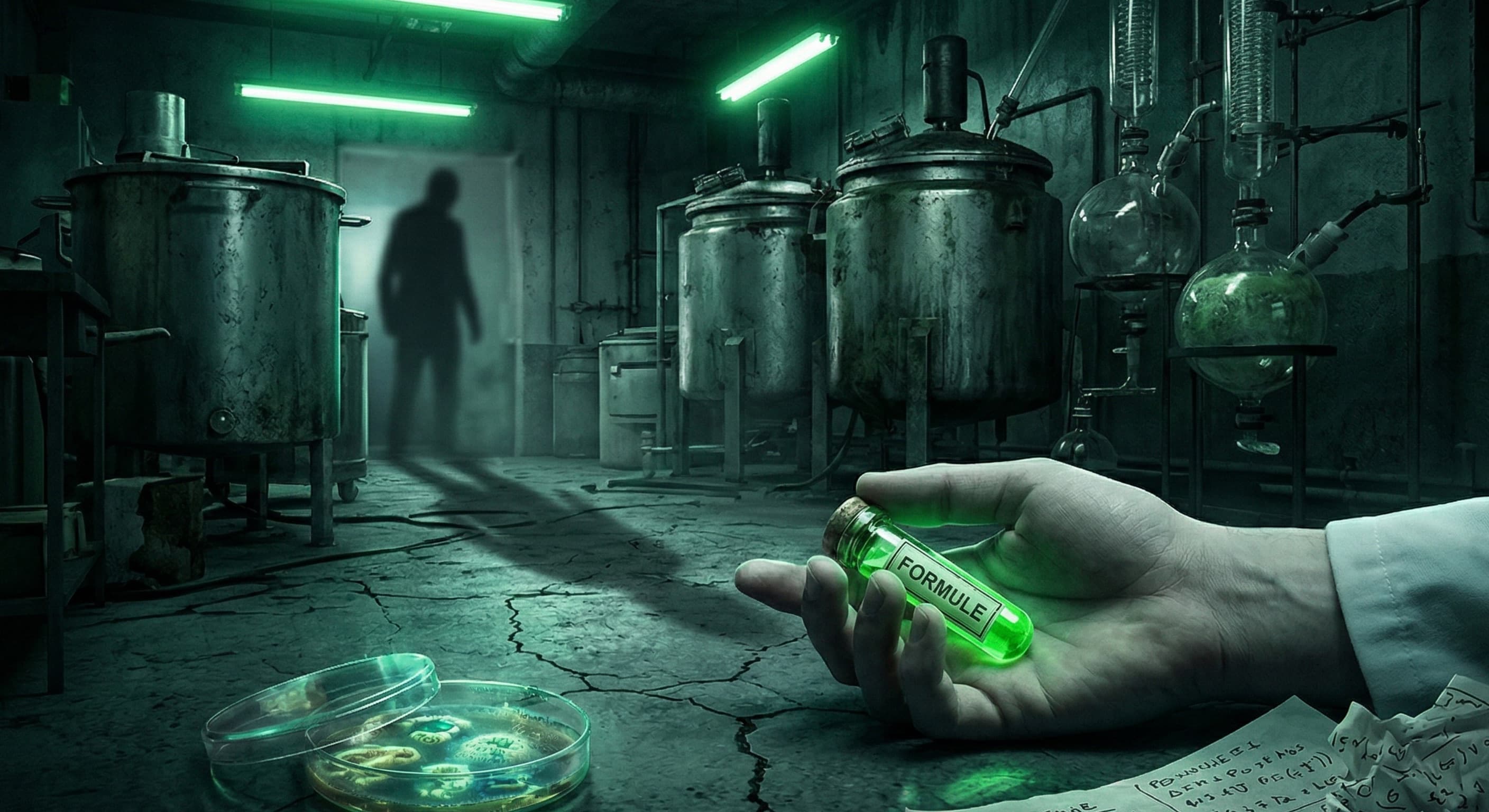
A detective case file is the middle ground. The group receives documents, evidence and timelines about a case, works through them together, and reaches one answer that a sealed solution confirms. There are no roles and no accusation among players, and some files include puzzles: The Enigma Code turns on ciphers, Operation Blackout follows a digital trail through logs and chat exports. The opponent is the case itself.
Printable murder mystery vs escape room: group size and who hosts
Group size is the first filter and it is nearly decisive. A printable escape room works for a small team, and above six or so people the puzzles tend to bottleneck: two people hold the paper, the rest watch. A murder mystery kit runs the other way. It needs 6 to 12 players because the cast is the game, and a small table leaves too few suspects. A detective case file covers 2 to 6, which is the gap between the two.
Hosting follows the same line. An escape room needs someone to set it up and, in many designs, to run the timer and hand out hints, but that person can usually play. A murder mystery kit needs a host who reads the introduction, releases the clues by round, collects the ballots and reads the solution. The host guide is written so that a first-timer can do it, but someone has to. The host may also take a suspect role, as long as it is not the culprit.
A detective case file needs no host at all. Hints are included in the file, the solution is sealed, and the person who bought it plays exactly like everyone else. For a couple or a group of four with nobody willing to run things, that difference settles the question on its own.
Run time, the clock and how the evening is paced
A printable escape room is built around a countdown, most often an hour, and the pressure is the point. The evening is fast, loud and finished on the timer, and it usually ends with either a triumphant unlock or a debrief about which puzzle ate twenty minutes.
A murder mystery kit has no countdown. It runs 2 to 3.5 hours depending on the scenario, in three rounds of thirty to forty minutes each with bridging passages between them, and the host paces it. The Cursed Manor and The Cursed Island are about 2 hours, Hollywood Noir is 2.5 to 3.5 hours, and the others fall between. Food goes between rounds, and the reveal takes a good half hour on its own.
A detective case file lists 1.5 to 2 hours on its page, from Vanished in Paris and The Phantom Affair at the short end to The Enigma Code, The Cursed Laboratory, Operation Blackout and Winter '74 at 2 hours. The group sets the pace, and the hints are there for when a document stalls the table rather than for the clock.
What you print, and what happens to it during the game
An escape room is the heaviest print job of the three. Puzzles, props, sometimes templates to cut and fold, and often several copies because paper gets written on. Once the group has solved it, the sheets are marked and the puzzles are known.
A murder mystery kit prints as a stack sorted by person and by round: the host guide, one character sheet per player, the clues organized by round, the secret ballots and the solution. It arrives as a single PDF built for the tier you chose at checkout, 6 to 8, 9 to 10 or 11 to 12 players, laid out on A4 and printed on US Letter with fit to page ticked. It prints in color or in black and white on any home printer.
A detective case file prints as documents: reports, registers, letters, logs, photographs, plus the hints and the sealed solution. It is the closest of the three to spreading a real case across a kitchen table. In all three cases nothing is shipped: payment goes through Stripe and the PDF arrives by email within seconds. Only the printable murder mystery kit and the case files are sold here; the escape room is described for comparison only.
The middle ground: detective case files with a puzzle inside the deduction
Hosts who like the cooperative feel of an escape room but want a story to read rather than locks to open usually land on the case file. Most of the work is deduction: reading a statement against a timeline, noticing that a register and a telegram disagree, deciding which of three accounts is lying. That is the mode explained in printable mystery deduction not puzzles.
Two files lean toward the escape room side. The Enigma Code is set at Bletchley Park in 1943, where an intercepted transmission hints at an attack on London and someone inside the team is feeding the enemy; deciphering the messages is part of the work, which is why it carries a difficulty of 4 out of 5. Operation Blackout, rated 5, follows a cyberattack through server logs, chat exports, badge records and a ransom note, and it is the hardest file in the catalog.
Even those two are never a dead end. Hints are included, so a group that stalls on a cipher can buy itself a nudge without opening the solution. That is the practical difference from a printable escape room, where a stuck puzzle usually means the evening stops until someone looks up the answer.
Replay, and what each evening actually feels like
None of the three replays with the same group: once you know the codes, the culprit or the answer, the game is done. The difference is what happens with the file afterward. A murder mystery kit stays yours and can be printed again for another private group, with a different cast and the same plot, as many times as you like under the license. The same is true of a case file. Change the guests, not the scenario.
The feel of the evening is where the formats really part ways. An escape room feels like a sprint: everyone leaning over the same puzzle, shouting numbers, cheering an unlock. A murder mystery party feels like a dinner where everyone is lying a little: conversations in pairs, alliances, a guest going quiet when a clue lands, then a ballot and a reveal that turns the room loud. A case file feels like a quiet investigation: heads down, documents passed across the table, someone saying wait, look at the date on this.
If you want to know how the home format compares with booking a physical venue rather than printing one, murder mystery party vs escape room covers that separate question.
A decision rule you can apply in one minute
Count the people, then ask what they want to beat.
Fewer than six, and they want to beat a puzzle under a clock: a printable escape room, which is not sold here.
Fewer than six, and they want to solve a case together at their own pace, with no host and no acting: a detective case file, $39 for 2 to 6 players.
Six to twelve, and they want to play characters, keep secrets and accuse each other: a murder mystery kit, $39, $49 or $59 by tier.
Six to twelve, but nobody will host and nobody wants a role: two tables of case files rather than a kit forced on a reluctant room.
The only wrong choice is a mismatch between the format and the headcount. A kit at four is thin, a case file at nine is a crowd around one document, and an escape room at twelve is ten people watching two. Once the number and the mood are clear, the detective case files page and the kit pages give the run time and the price, and the decision usually takes less time than choosing the food.
Frequently asked questions
What is the difference between a printable murder mystery and a printable escape room?+
A printable escape room is a cooperative chain of puzzles solved against a clock, with no characters. A printable murder mystery party gives every guest a character with secrets, releases clues over three rounds and ends with a secret ballot and a reveal read by the host. One is a race, the other is social deduction.
Is a detective case file more like an escape room or a murder mystery?+
It sits between them. Like an escape room it is cooperative, with no roles and no traitor, and a few files include puzzles such as the ciphers in The Enigma Code. Like a murder mystery it is built on evidence and deduction: documents, timelines and statements to cross-check, with hints included and a sealed solution.
Which printable format works for two people?+
A detective case file. It is written for 2 to 6 players at $39, needs no host, and the two of you read the same documents and reach the answer together. Murder mystery kits start at six players because the cast of suspects is the game.
Does a printable escape room need a host?+
Usually someone has to set it up, run the timer and hold the hints, though that person can often play. A murder mystery kit needs a host who reads the passages and releases the clues by round. A detective case file needs nobody: the hints are in the file and the solution is sealed.
Can you replay a printable murder mystery or escape room?+
Not with the same group, since the answer is known. The file, however, stays yours. The license on a Murder to Order kit or case file allows printing it again for another private group as many times as you like, so a host changes the guests rather than the scenario.