The honest answer: what 90 minutes can and cannot hold
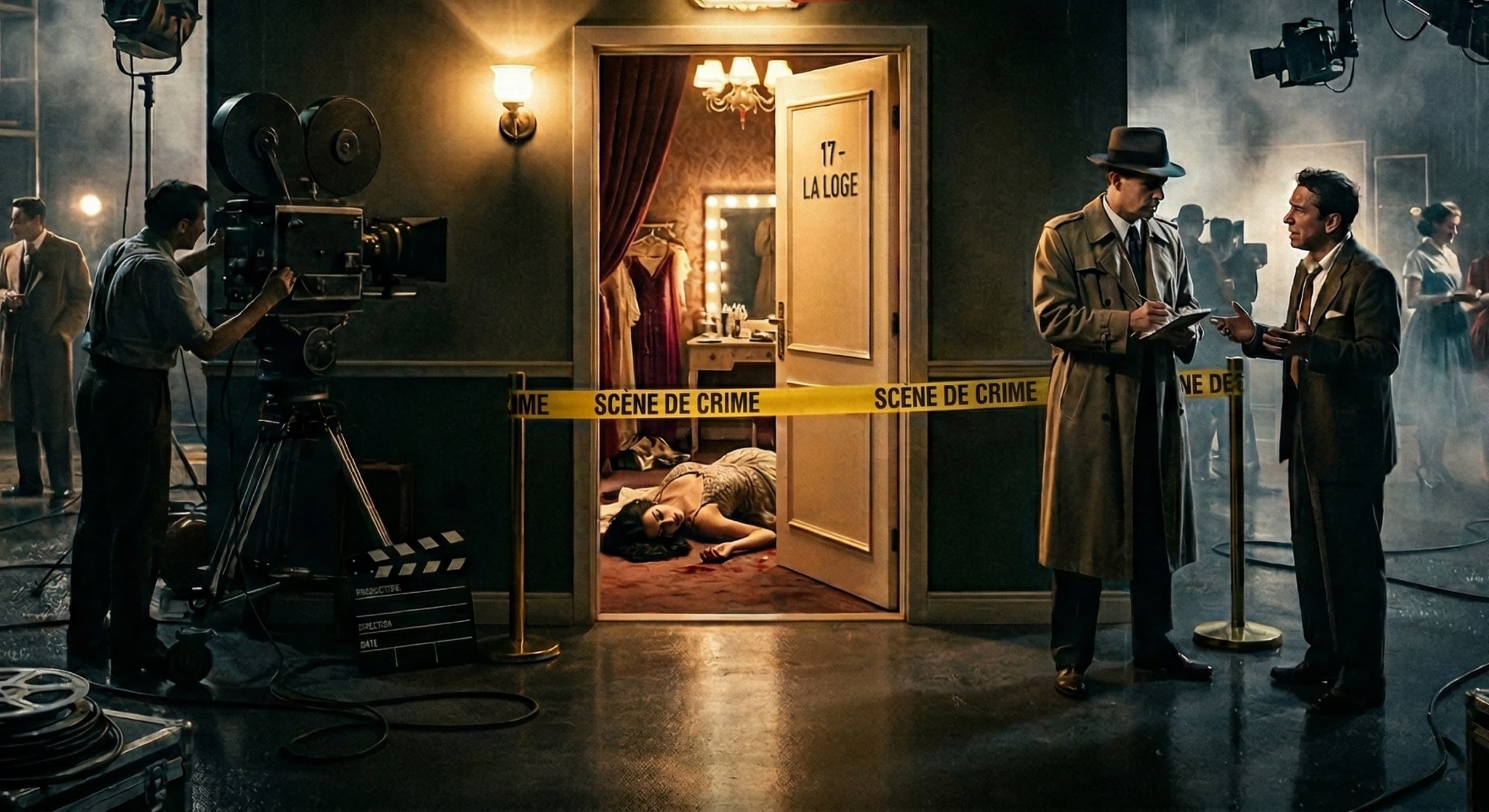
Most murder mystery kits are written for two hours or more, and the run times on the product pages are not padding. A kit needs three rounds of clues, conversation between them, a ballot and a reveal, and each of those has a minimum below which the game stops working. The Masked Ball, Murder at the Royal Casino, Crime Aboard the Orient Express and The Last Vintage run 2 to 2.5 hours; Hollywood Noir runs 2.5 to 3.5 hours. None of those fits in ninety minutes without cutting something that matters.
Two things do fit. The first is a detective case file built for 1.5 hours, of which there are two. The second is a kit rated at about 2 hours, run tight by a host who has prepared for it, which lands close to a hundred minutes rather than exactly ninety.
The difference between those two paths is what your group wants. The case file gives you the whole experience in the time, with no compromise. The tightened kit gives you characters and secrets, which the case file does not, at the price of a brisk evening and a host who watches the clock. Pick by the group, not by the number.
Two detective case files written for a 90 minute murder mystery evening
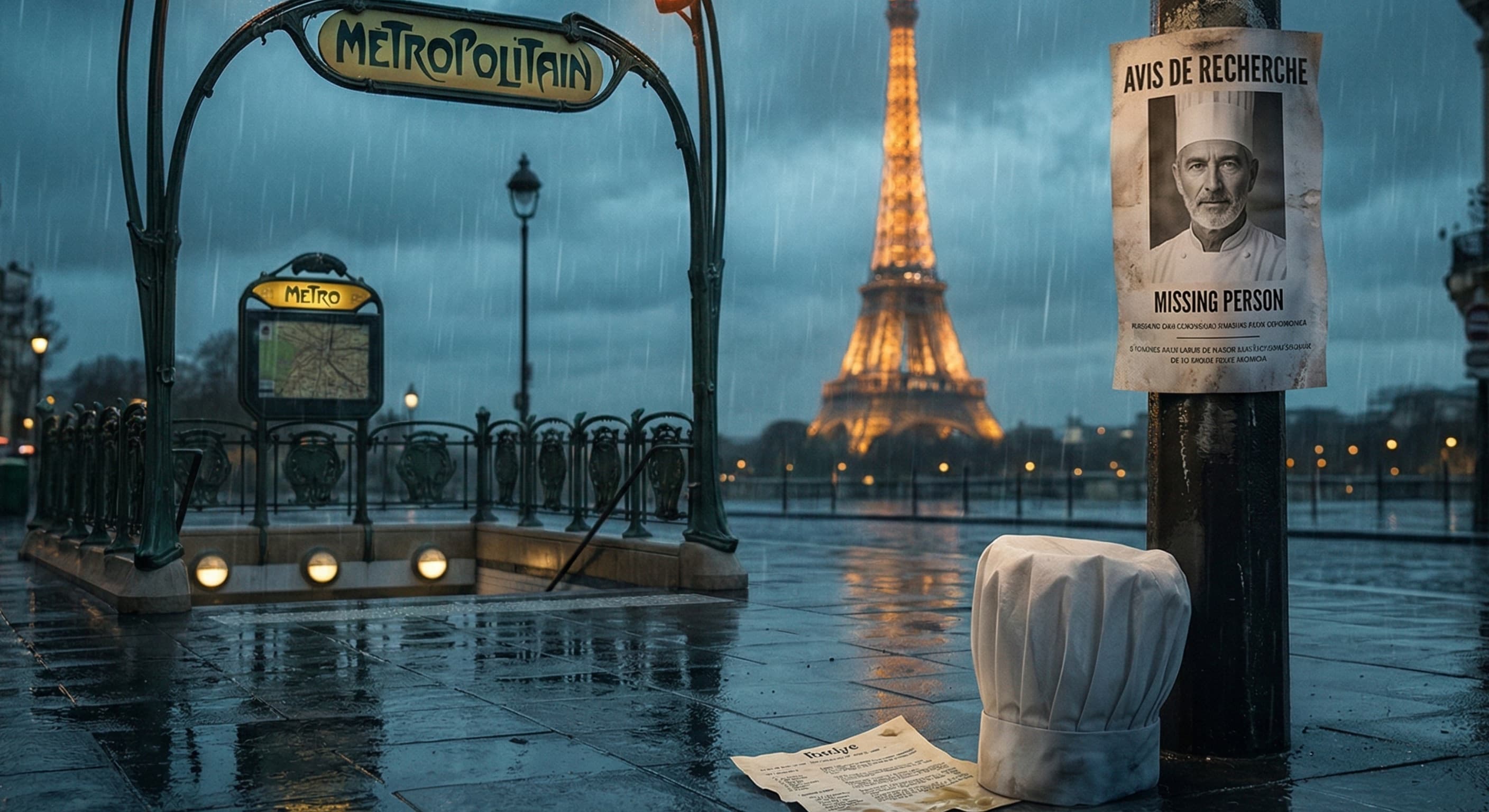
Vanished in Paris is set in 1931, in the Art Deco years, when the most celebrated chef in the city disappears on the eve of his restaurant's grand reopening. A reservation book, telegrams, a train ticket and a few lies: the group retraces his last hours and works out what happened. It runs 1.5 hours, is rated 3 out of 5 for difficulty, and is the gentlest entry in the catalog.
The Phantom Affair is a Victorian manor where objects move, letters burn and a ghost is said to walk the corridors at night. The family is terrified, the servants are leaving, and an inheritance hangs in the balance. Seance reports, floor plans and household accounts decide whether the dead are restless or someone very much alive has a plan. Also 1.5 hours, also rated 3.
Both are cooperative, for 2 to 6 players, $39 for the table. Nobody hosts, nobody plays a character, hints are included, and the solution is sealed until the group decides to check. On a weeknight that means the evening is the game and nothing else: no sheets to send ahead, no rounds to time, no reveal to run. Print, sit down, open the file.
Bringing a 2 hour kit close to a hundred minutes
The Cursed Manor and The Cursed Island are both rated at about 2 hours, and they are the only kits worth attempting on a tight clock. Four decisions take twenty minutes out of the evening without touching the game.
Send the character sheets days ahead, individually, and ask everyone to arrive having read them twice. A table that reads at the door loses fifteen minutes before the introduction.
Serve no food during the rounds. Drinks on arrival, one plate of something between rounds one and two, dessert with the reveal.
Run three strict rounds of twenty-five minutes on a visible timer, with a five-minute warning each. Thirty to forty is the comfortable length; twenty-five is the tight one, and it holds because the group knows it is coming.
Run a fast ballot: the suspect in one line, the ballots read without the thirty seconds of argument each, a tally, then the solution.
That is roughly five minutes for the introduction, seventy-five for the rounds, five for the bridges, five for the ballot and ten for the solution: a hundred minutes, give or take the group. It is brisk. Guests will want more time in round two. Say no, once, kindly, and the evening ends on time with everyone wishing it had been longer, which is the right way for a weeknight to end.
What not to cut, even on a tight clock
Two things survive every shortening. The third round's clues stay in, all of them, because they are the evidence that makes the solution reachable; a table that never sees them is guessing, and a reveal that explains clues nobody received feels like a trick. And the reveal itself stays in, read in full from the host guide, because it is the payoff for every conversation of the evening. A solution summarized in two sentences to save five minutes takes the point out of the ninety that came before.
What you can cut is around those two: the arrival chat, the food, the argument after each ballot, the post-game comparison of sheets. Those are pleasant and none of them is the game.
One more thing not to cut is the host's reading of the guide before the night. On a normal evening, a host who has skimmed it can recover from a wrong turn; on a tight one, there is no slack. Read the run of the rounds once, mark where the bridging passages fall, and sort the clues into three envelopes. The general principles of keeping a kit moving without rushing it are in murder mystery pacing and run time.
A weeknight schedule from 7:30 pm
Here is the kit version, for a group of six to eight that has read its sheets.
7:30 pm, guests arrive, one drink, no reading at the door.
7:45 pm, everyone seated, the host reads the introduction from the guide.
7:50 pm, round one, twenty-five minutes, timer visible.
8:15 pm, first bridging passage, second envelope of clues, one plate of food on the table.
8:20 pm, round two, twenty-five minutes.
8:45 pm, second bridging passage, third envelope.
8:50 pm, round three, twenty-five minutes.
9:15 pm, ballots out, five minutes to write, five minutes to read and tally.
9:25 pm, the host reads the solution.
9:35 pm, done, with dessert for anyone staying.
The case file version is simpler: 7:30 pm arrival, 7:45 pm the file is opened, and the group is checking the sealed solution around 9:15 pm. Either way the evening ends before ten, which is the number that matters on a Tuesday. For a weeknight occasion that fits this shape, the printable murder mystery for Galentine's Day guide picks a scenario for a small group on a February evening.
Which path suits which group
Choose the case file when the group is two to six people, when nobody wants to host, when the guests are meeting after work and have not read anything, or when the point of the night is to talk without performing. It is the only path that is honestly ninety minutes.
Choose the tightened kit when the group is six to eight, when the host has run a kit before, when everyone will actually read their sheet in advance, and when the group wants secrets and an accusation badly enough to accept a brisk pace. If any of those four is doubtful, the kit will run two hours, which is what it was written for, and that is not a failure. It is the run time on the page.
And choose a full evening on a weekend when the scenario deserves it. Hollywood Noir at 2.5 to 3.5 hours is not a weeknight game and should not be forced into one. The whole range, from the 1.5 hour case files to the longest kit, starts from the printable murder mystery kit page.
Frequently asked questions
Is there a murder mystery game that takes 90 minutes?+
Yes. Vanished in Paris and The Phantom Affair are detective case files written for 1.5 hours, for 2 to 6 players at $39, with no host needed. A murder mystery kit rated about 2 hours, such as The Cursed Manor, can be run tight to about a hundred minutes with sheets sent ahead and twenty-five minute rounds.
Can a murder mystery kit be played in under two hours?+
Close to it. The Cursed Manor and The Cursed Island are rated about 2 hours; with character sheets read in advance, no food during rounds, three strict twenty-five minute rounds and a fast ballot, the evening lands near a hundred minutes. Longer kits such as Hollywood Noir should not be forced into that clock.
What should never be cut from a short murder mystery evening?+
The third round's clues and the full reading of the solution. The clues are what make the answer reachable, and the reveal is the payoff for everything before it. Cut the arrival chat, the food during rounds and the argument after each ballot instead.
How do I run rounds of twenty-five minutes without the game feeling rushed?+
Announce the length before the round starts, keep a timer where everyone can see it, and give a five-minute warning. Guests who know the clock use it. Sending the sheets days ahead matters most, because a table that reads at the door loses the first fifteen minutes.
What time should a weeknight murder mystery start and end?+
Start at 7:30 pm with one drink and no reading at the door, open the game at 7:45 pm, and plan to read the solution around 9:25 pm. A case file follows the same start and finishes around 9:15 pm. Either way the evening is over before ten.