What a whodunit exposes about a team
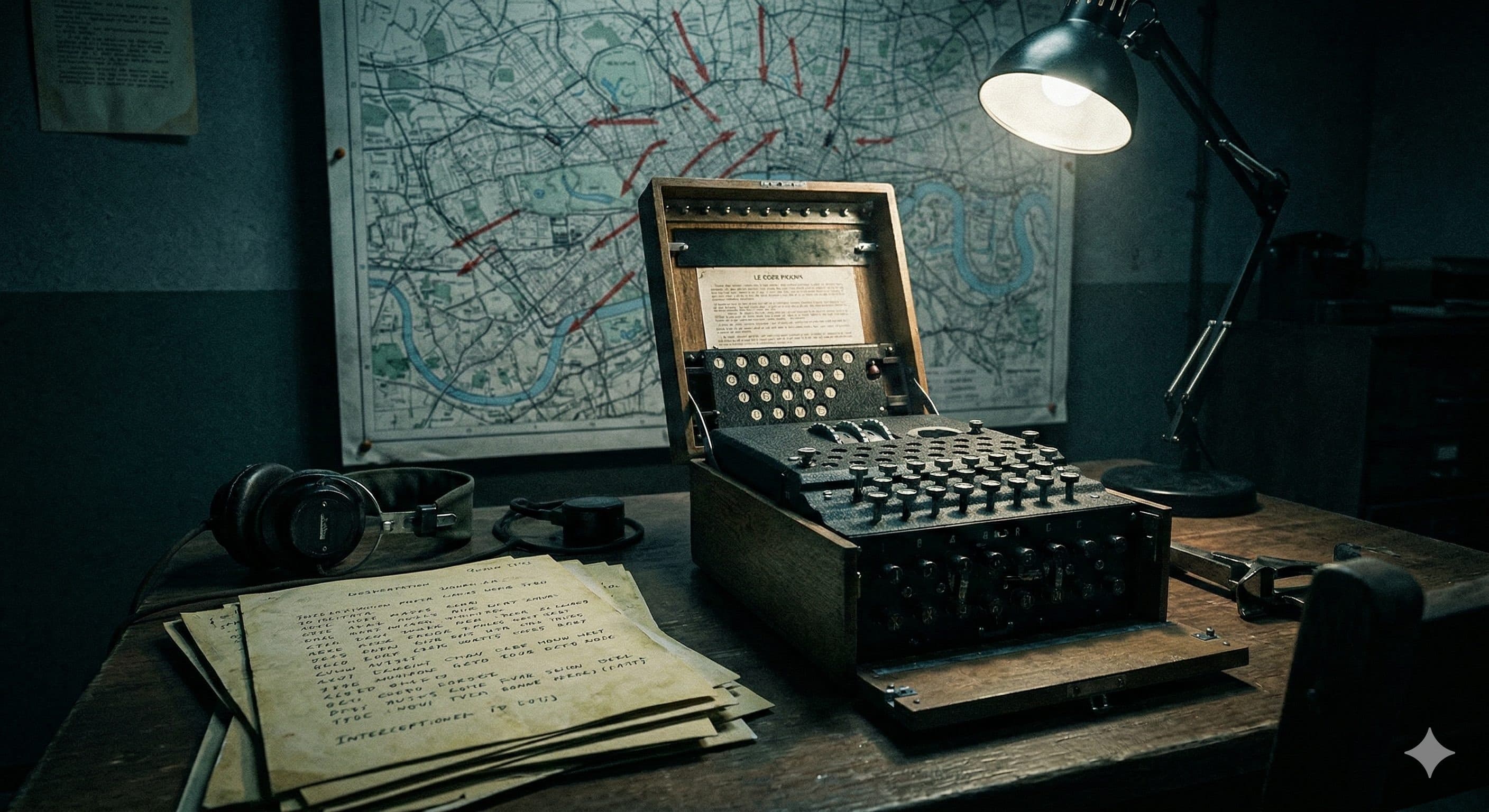
Give twelve people twenty-four documents and nobody can read them all. Within ten minutes you can see who says what they are holding, who waits to be asked, who summarises accurately and who summarises to look useful. None of that is invented by a facilitator: it just happens.
You also see how the group handles a wrong idea that arrives early and sounds confident. That is the most useful part of the whole exercise, and it is unpleasant to arrange deliberately in any other format.
The cooperative format, for a real exercise
For a genuine team exercise, use a cooperative case file: no roles, no host, nobody hiding anything. Everyone is on the same side against the documents, which means the only obstacle is coordination. That is the exercise.
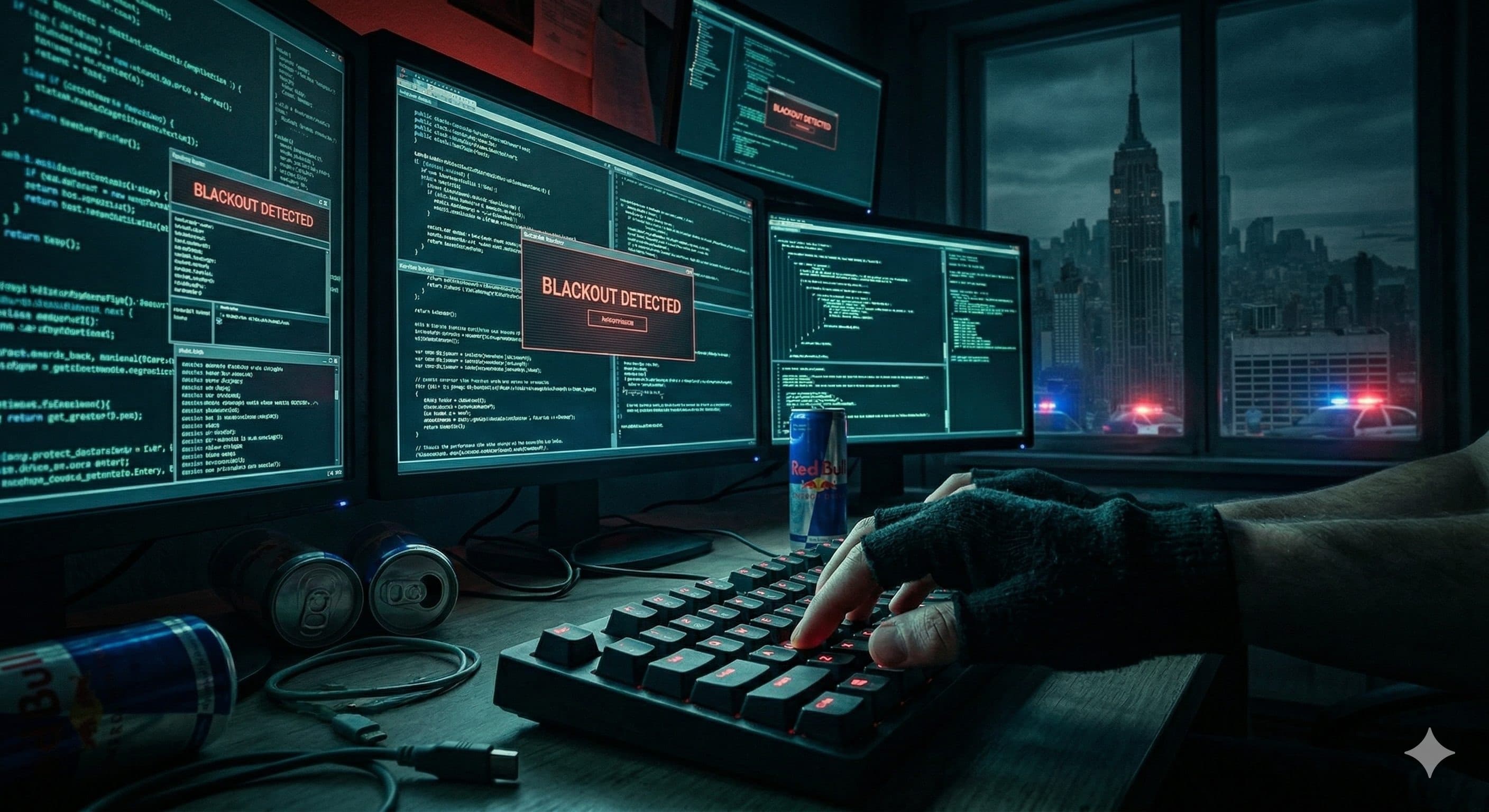
Operation Blackout suits a work group: a city in the dark, hospitals on backup power, nineteen exhibits, two to three hours, sixteen hints in four tracks so a stuck table can move without anyone giving away the answer. One to seven investigators per file, thirty-seven pages. The full list is on the detective case files page.
The roles format, for a social evening
The other format gives each person a character with a secret and a permitted lie. It is a better party and a worse exercise, for an obvious reason: colleagues lying to colleagues about a fictional murder is fun with the right group and uncomfortable with the wrong one.
If you use it, use it socially, at an offsite or an end-of-year evening rather than a Tuesday workshop. It runs six to twelve players plus a host who does not play, about three hours, $39.90 a file, on the murder mystery kits page.
Running it for more than seven people
A case file plays up to seven investigators, so a team of twenty runs three tables rather than one crowd. Buy one file, print three sets of exhibits, and start all tables at the same minute.
That also gives you a comparison worth having afterwards: three groups, same evidence, different routes to the answer. Ask each table what changed their mind, rather than who finished first. The one thing to avoid is a public ranking, which turns a thinking exercise into a race and rewards the loudest table.
The debrief that makes it worth the afternoon
Fifteen minutes, three questions. Which document changed the group's mind, and who was holding it. What did we believe early that turned out to be wrong, and how long did we hold it. Who had something useful that took too long to reach the table.
Asked plainly, those land without a facilitator's vocabulary, because everybody saw it happen an hour earlier. Skip the debrief and you have had a pleasant afternoon and learned nothing, which is the usual fate of team building.
Frequently asked questions
Which format works better for team building?+
The cooperative case file, because everybody is on the same side and the only obstacle is coordination. The version with secret roles is a better party but an awkward exercise, since it asks colleagues to lie to each other.
How do we run it with twenty people?+
Split into three tables of up to seven. Buy one file, print a set of exhibits per table and start everyone at the same minute. Compare reasoning afterwards rather than finishing times, and skip any public ranking.
How long does it take?+
Two to three hours for Operation Blackout, or one and a half to two for The Heist of the Century if the afternoon is short. Add fifteen minutes for the debrief, which is the part that makes it more than an outing.