Start here: our kits are written for adults
Every scenario we publish is written with an adult audience in mind. The language, the motives and the reading level all assume grown up players, and several scenarios involve themes that are not appropriate for a childrens birthday. We would rather say that plainly than sell you something that surprises you at the table. What this article offers instead is a practical method for adapting one of those scenarios into a kids detective party, which parents do successfully all the time. The work falls into three parts: choosing the least adult scenario available, rewriting the crime and a handful of character details, and changing how you run the evening. Budget about ninety minutes of prep on your side. If that sounds like too much, the alternative is to skip the character driven format entirely and run a clue hunt built from a detective case file, which is covered further down. Both routes produce a party children remember.
Choosing which scenario to adapt
Read the full description of several scenarios and pick on tone rather than on how cool the theme sounds. You want a setting with an obvious visual identity that children already understand: a museum, a hotel, an ocean liner, a film set, a grand old house. Avoid anything whose appeal depends on adult social dynamics, workplace politics, or a romantic entanglement, because the plot will fall apart once you remove those threads. Check the player count against the guest list and pick a scenario whose range includes your number comfortably. Six to eight children is the sweet spot: enough suspects for a real mystery, few enough that every child gets airtime. Listings on /murder-mystery-kits state the player range and the theme for each scenario, and kits are $29.90 for the whole group. Buy at least ten days before the party so you have time to read, rewrite and print without rushing.
The rewrite: turn the murder into a theft
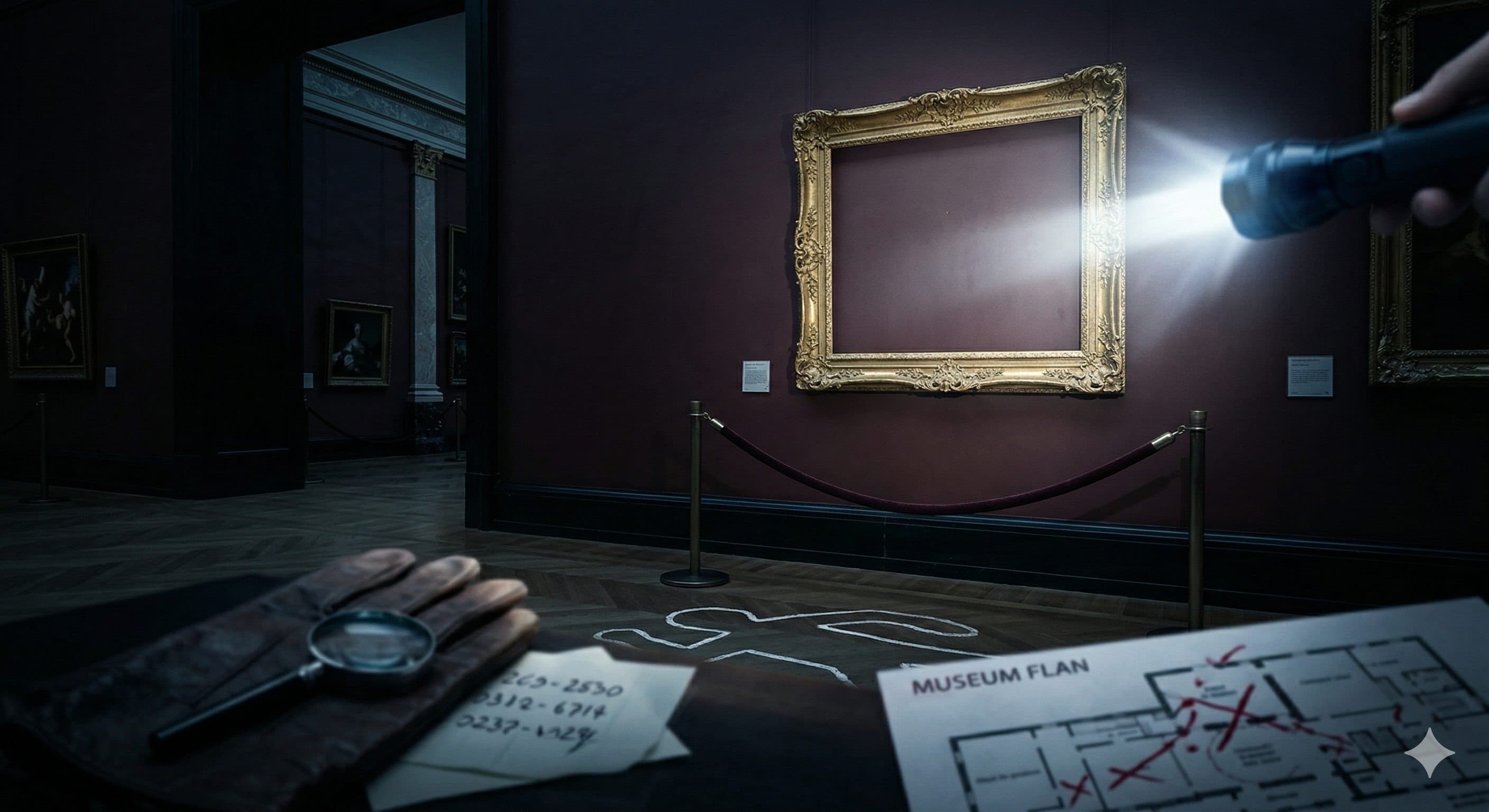
This is the single most effective change and it takes about an hour. Replace the killing with a high stakes disappearance: a stolen diamond, a vanished prize trophy, a kidnapped show cat, a sabotaged invention. The entire clue structure of a good scenario survives this swap untouched, because the clues point at opportunity, motive and contradiction rather than at a body. Work through the host guide and the character sheets with a pen, and change three things. First, every reference to the victim being dead becomes a reference to the object being missing or the person having fled. Second, adult motives become child legible ones: an affair becomes a broken friendship, a debt becomes a lost bet, blackmail becomes a threat to tell a secret. Third, cut any detail that is frightening or grim. Retype the character sheets rather than hand editing them, since children read printed pages literally and a crossed out word invites questions you do not want.
Writing character sheets children can actually use
Adult character sheets run one to two dense pages. That is far too much for a nine year old. Rewrite each one to fit on half a page with four short blocks in this order: who you are, two sentences. What you want, one sentence. What you saw, one specific fact that is true and useful to the group. What you are hiding, one small secret with an innocent explanation. Use big type, short sentences and no subordinate clauses. Add a line at the bottom in bold telling them what to do: ask everyone where they were at four o clock. Having an assigned job removes the freeze that otherwise hits shy children in the first ten minutes. Give the most demanding roles, the culprit and any character whose secret drives the plot, to the confident readers, and give the quiet children roles with clear factual information to deliver. Print everything at home and slide each sheet into an envelope with the childs character name written large on the front.
Running the party: shorter rounds, more physical clues
Children lose the thread of a purely verbal game faster than adults do, so break the evening with things to find. Plan sixty to seventy-five minutes of play, not two hours, in three rounds of about fifteen minutes. Between rounds, hide the next clue somewhere in the house and send them to find it: a torn note under a cushion, a fingerprint card taped behind a door, a photograph in the freezer. The hunt resets everyone's attention and burns off energy at exactly the right moment. Give every child a detective notebook and a pencil at the start, because writing things down keeps them engaged and lets the quieter ones participate without speaking. Have one adult circulating as a helper who can whisper a nudge to any child who looks lost. Serve food after the reveal rather than during the game, since a table of eight children and a cake is not a room you can call back to order.
The reveal, the prizes, and keeping it kind
End on a high note and end on time. Gather everyone, ask each child to name their suspect out loud with one reason, and let them enjoy disagreeing. Then read the solution in an unhurried, theatrical voice. The culprit should be revealed as clever rather than bad: they wanted the prize, they made a plan, and they were undone by one detail. Let the child who played the culprit take a bow, because at that age being the secret villain is the best possible outcome and they should feel rewarded, not embarrassed. Hand out a small prize to whoever guessed correctly and a detective certificate to everyone else, so nobody leaves empty handed. Keep the whole ending under fifteen minutes. Two rules make the day go smoothly: nobody is accused of anything real, and nobody is left standing alone. A quick word to the room at the start, that this is all pretend and we are all in it together, sets that up in ten seconds.
The simpler alternative: a printed clue hunt
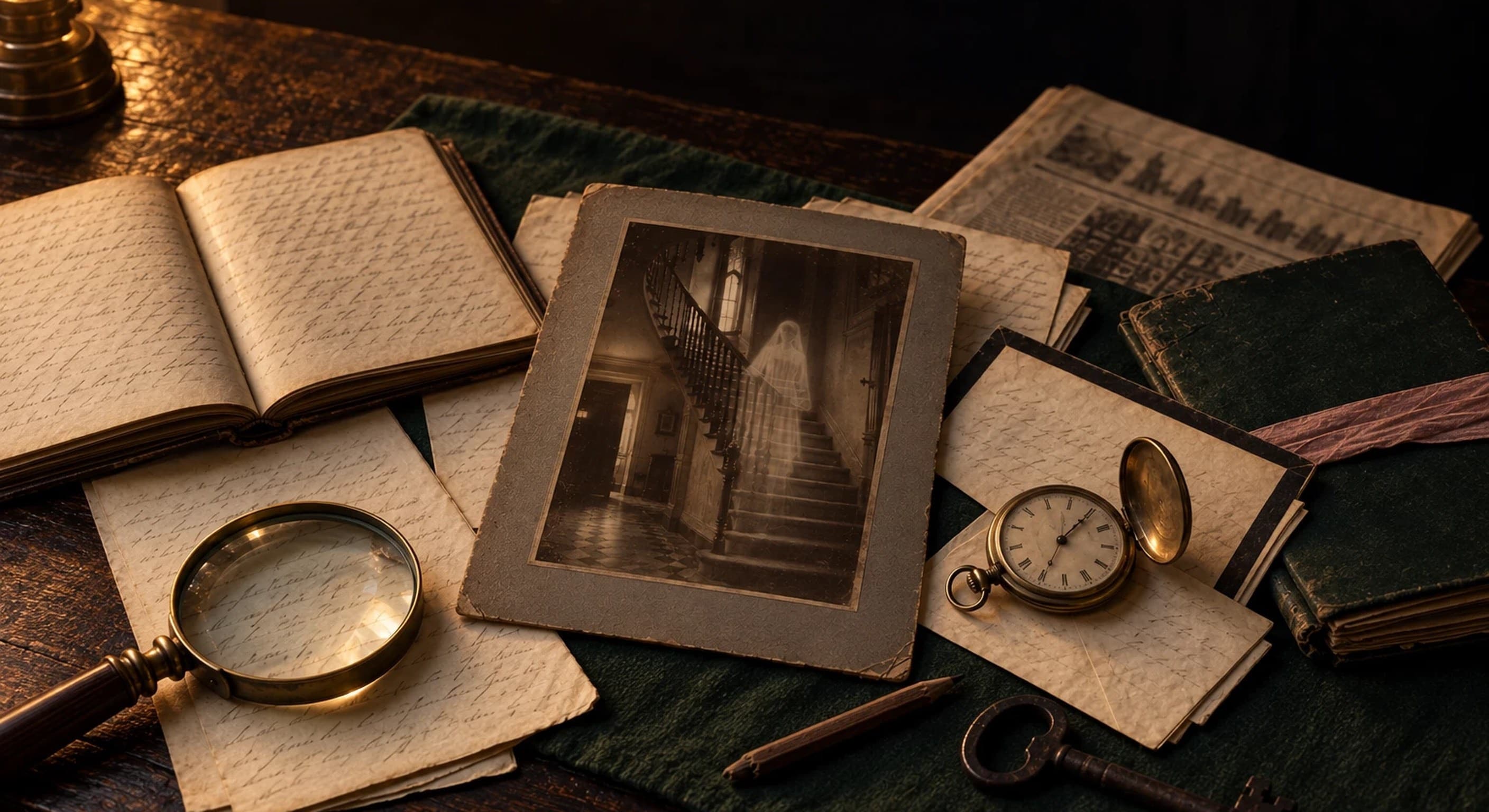
If rewriting character sheets is more than you want to take on, there is a lighter version that works beautifully for younger or larger groups. Buy a document based investigation from /detective-case-files at $24.90, print the evidence, and use it as the raw material for a team clue hunt rather than a role play. Split the children into two or three teams of detectives, give each team a folder containing photographs, reports, timelines and witness statements, and have them work the case together. You still read the solution at the end, and there is still a culprit to name, but no child has to hold a character or speak in front of the group. This format takes about twenty minutes of prep instead of ninety, handles wildly mixed ages in the same room, and suits children who are enthusiastic readers but reluctant performers. Many parents run this version first and try the full role play the following year.
Frequently asked questions
Are your murder mystery kits suitable for children?+
They are written for adults, so no kit is designed as a childrens product. Parents who want a detective party for ages eight to twelve should adapt a scenario: swap the murder for a theft, rewrite the motives, and shorten the character sheets. This guide covers each step.
What age can children start playing murder mystery games?+
Around eight, if the crime is a theft and the sheets are rewritten short. Eight and nine year olds do best in teams with an adult helper. From ten upward they can hold an individual character comfortably, and by twelve a lightly edited adult scenario usually plays as written.
How long should a kids detective party last?+
Sixty to seventy-five minutes of actual play, split into three short rounds with a physical clue hunt between each one. Add food and cake after the reveal rather than in the middle. Total party time of two hours is about right for ages eight to twelve.
How many children should I invite?+
Six to eight is ideal for a character based party, which gives everyone a real role and enough airtime. Above ten, either run two teams working the same case or switch to the printed clue hunt format, which absorbs a larger and more mixed age group without strain.