Food is your schedule, not a side note
The most useful thing to understand is that food controls pacing. A murder mystery runs in rounds, and the gaps between rounds are where players compare notes, regroup, and recover their energy. If you serve a full seated dinner in the middle, you halt the investigation and it takes fifteen minutes to restart. If you serve nothing at all, energy sags around the ninety minute mark. The answer is to feed people in deliberate waves aligned to the structure of the game. Something small on arrival while guests settle into character. A substantial spread between round one and round two, when everyone has met and needs to talk. Something sweet after the reveal, when the room is loud and the game has ended. Plan the menu around those three moments and the food does organizational work for you rather than competing with the story.
Build the menu around three game breaks
On arrival, offer one drink and something guests can hold in one hand while reading their character sheet. Olives, nuts, cheese straws, anything that survives an hour on a table. Between rounds one and two, put out the real food as a buffet rather than a served course, so players can graze while continuing to interrogate each other. Buffets are structurally better for this format because they keep people moving and mixing instead of locking them into a seating plan. Between rounds two and three, a small refresh is enough: a refilled drink, a bowl of something salty. After the reveal, dessert and coffee mark the transition out of the game. Nothing should require last minute cooking once guests have arrived. If a dish needs attention in the final thirty minutes, replace it with something else, because you will be reading opening passages and handing out clues instead.
Speakeasy and 1920s: small plates and coupe glasses
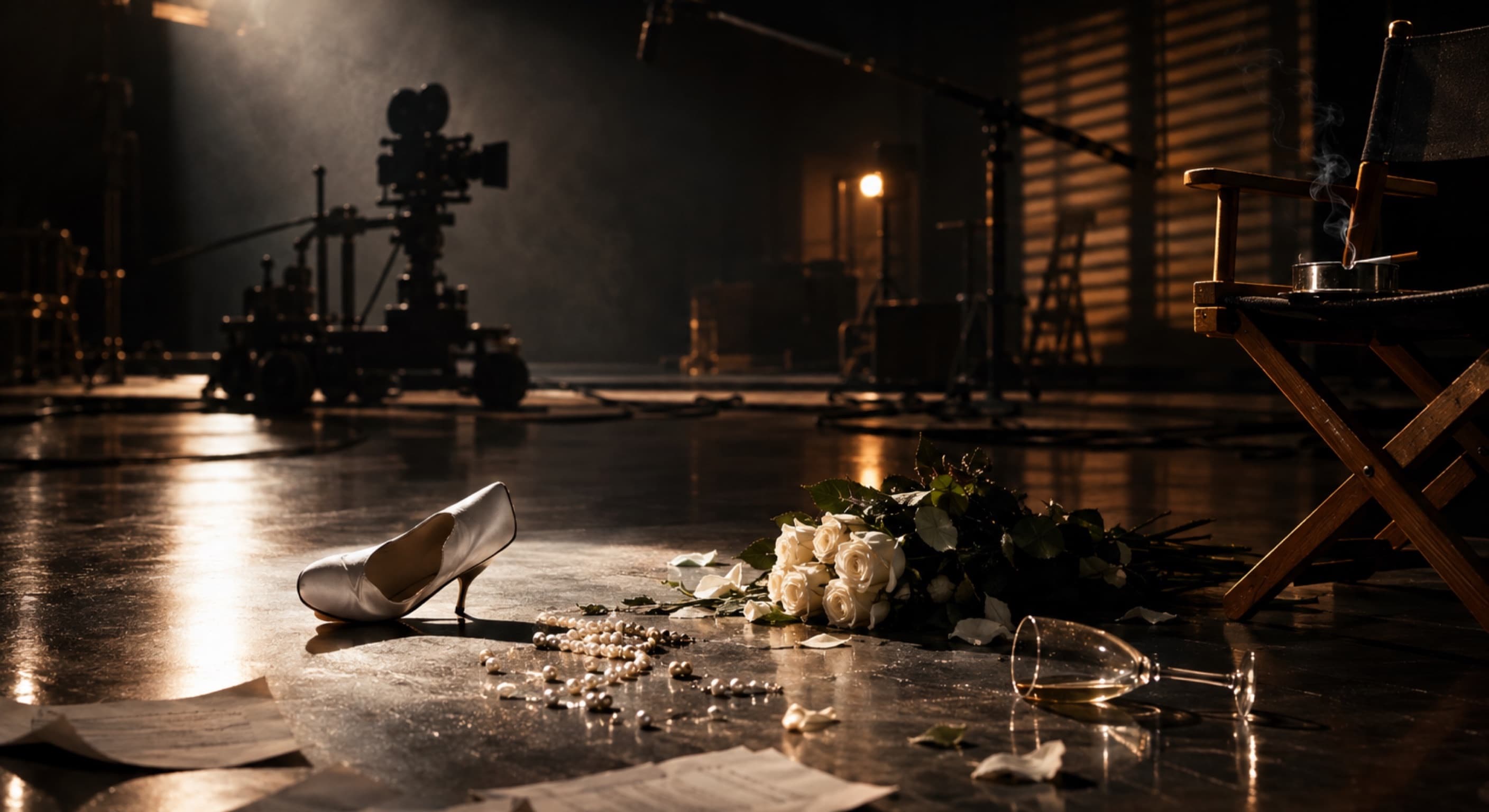
A 1920s theme is the easiest to cater because the era ran on small food and strong drinks. Think deviled eggs, shrimp cocktail in small glasses, oysters if your budget allows, cheese and cured meats on a board, and canapes on toast rounds. Serve everything on trays rather than plates to reinforce the cocktail party feeling. For drinks, the period classics are simple: a gin fizz, a sidecar, a French 75, an old fashioned. Pick two cocktails only and pre-batch them in pitchers, because mixing drinks individually for ten guests will consume your entire evening. Coupe glasses cost very little secondhand and do more for the atmosphere than any decoration. Serve in low light with a jazz playlist and the theme largely builds itself. A full treatment of the era, including costume and music guidance, sits on the speakeasy scenario pages linked from /murder-mystery-kits.
Manor house and country weekend menus
For a manor house or English country setting, lean into a sideboard rather than a plated dinner. A roast served cold or at room temperature, a raised pie, potted shrimp, bread, mustard, pickles, a bowl of new potatoes, and a green salad give you a spread that looks abundant and requires no timing at all. Everything can be laid out before the first guest arrives and left standing through two rounds. Add a trifle or a fruit crumble for after the reveal. Drinks should stay period-appropriate and simple: sherry on arrival, red wine with the buffet, whisky after. The visual trick with this theme is height and clutter. Use serving platters, a tablecloth, candlesticks, and stack things rather than spacing them out neatly. A crowded sideboard reads instantly as a country house, while the same food on a modern kitchen counter reads as a potluck.
Ocean liners, hotels and travel settings
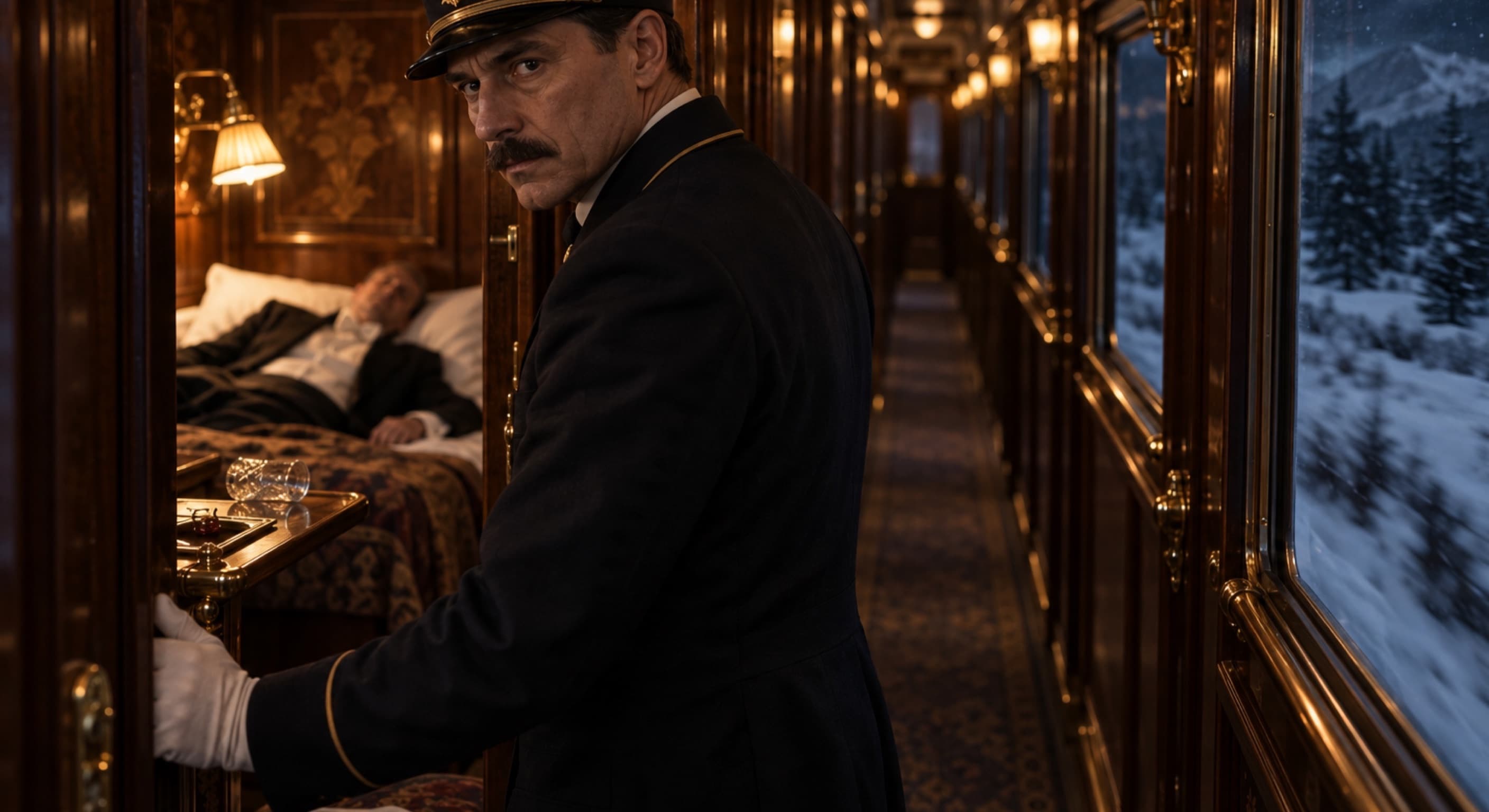
Scenarios set on trains, ships or in grand hotels give you the most photogenic menu options, because the reference is formal dining service. Keep the food simple and the presentation deliberate. A tiered stand of sandwiches, a seafood platter, consomme served in cups, petits fours. Print a menu card for each seat with the dishes named in period style and the name of the ship or hotel at the top, which costs almost nothing and immediately sets the scene. This is also the one theme where a seated arrangement works, because the setting justifies it. If you do seat everyone, place name cards deliberately so that characters with unresolved business sit within speaking distance. Serve the main spread between rounds as always. The formality should live in the presentation and the table, not in a service schedule that forces you to leave the room every ten minutes.
Drinks, mocktails and keeping the table sharp
A murder mystery depends on players remembering what they were told two conversations ago, so the drinks plan matters more than at an ordinary party. Pre-batch one signature cocktail that fits the theme and serve it on arrival, then move to wine or beer during the rounds and open things up after the reveal. Always prepare a non-alcoholic version of the signature drink with the same garnish and the same glass, so guests who are not drinking are not visibly marked as the odd ones out. A shrub, a spiced syrup with soda, or a citrus and bitters combination all work. Put out water in carafes on every surface, since people forget to drink it while in character. If your group tends to drink quickly, schedule the food break slightly earlier than you planned. A hungry table an hour in loses focus faster than a tired one.
Make-ahead rules for a host who also plays
Every dish should be finished before the first guest knocks. That is the rule, and following it is the difference between enjoying your own party and spending it in the kitchen. Practically, this means choosing recipes that are served cold or at room temperature, or that hold for two hours in a low oven without degrading. Prepare everything the day before where possible and lay the table that morning. Assign one guest the job of refreshing the buffet and refilling drinks between rounds, because you will be distributing clues. Use disposable or easy serving ware for anything that would otherwise create a pile of dishes mid-evening. And keep the menu shorter than you think it needs to be: five well-made dishes on a crowded sideboard look more impressive than nine that left you exhausted before the crime was even announced. Guests notice a relaxed host far more than they notice a sixth side dish, and a host who is enjoying the game sets the tone for everyone else at the table.
Frequently asked questions
Should I serve a sit down dinner during a murder mystery party?+
A buffet works better for most scenarios, because the game depends on players moving between conversations. Seated dinners suit train, ship and formal hotel settings where the seating is part of the story, and even then the main spread is best served between rounds rather than during them.
When should food be served during the game?+
Serve something small on arrival, the main spread between the first and second rounds, and dessert after the reveal. That aligns eating with the natural breaks in the mystery so food supports the pacing instead of interrupting it.
How much food do I need for a murder mystery party?+
Plan for a substantial evening meal, since guests will be there roughly three hours and talking constantly. A buffet of five or six dishes plus dessert is right for eight to twelve people. Err toward more salty snacks than you think you need, because people graze while investigating.
Do I have to match the food to the theme?+
It is not required, but two or three themed touches cost very little and raise the whole evening. A signature cocktail, printed menu cards, and one dish named after the setting are enough. The rest of the buffet can be whatever your group actually enjoys eating.